La fibra de vidrio ventana es producida con el hilo de fibra de vidrio a través de procesamiento de recubrimiento y luego tejida por un método de ligamento tafetán en la línea de producción. El acabado de la pantalla dispone de un buen rendimiento para la ventilación de aire y energía solar la sombra. Además, posee muchas ventajas en términos de anti-corrosión y el aislamiento térmico, siendo fácil de limpiar sin deformación, larga vida de servicio, así como de fino y suave sensación en la mano.
Propiedades generales de la fibra de vidrio para pantallas
Fiberglass Insect Screen is a durable, PVC-coated screen that provides reliable protection from insects while allowing airflow and visibility. It’s made from strong fiberglass, available in various mesh sizes, colors, and widths, making it versatile for homes, offices, and industrial spaces.
Our Fiberglass Insect Screen is a high-quality solution designed to provide reliable protection against insects while maintaining excellent visibility and airflow. Easy Installation and Maintenance: Lightweight and flexible, these screens are easy to cut, customize, and install.
Ventilación y visibilidad
Fiberglass Insect Screen is a durable, PVC-coated screen that provides reliable protection from insects while allowing airflow and visibility. It’s made from strong fiberglass, available in various mesh sizes, colors, and widths, making it versatile for homes, offices, and industrial spaces.
Durabilidad y resistencia ambiental
Fiberglass is the most widely used material for residential insect screens worldwide. It is made from woven glass filaments coated in vinyl or PVC to provide weather resistance and a smooth surface finish. Fiberglass mosquito mesh is lightweight, flexible, and easy to work with during installation. Standard fiberglass mesh is available in charcoal, black, grey, and silver colours.
Resistencia al fuego
Fiberglass window screen is fire-proof and will not rust, corrode or stain. Fiberglass es conocido por su resistencia al fuego dentro de textiles y mallas, aportando una capa de seguridad adicional en instalaciones que requieren control de humos y protección contra incendios.
La fibra de vidrio, expuesta al fuego, actúa de manera muy particular. Y no solo eso: los hilos empleados para tejer los textiles pueden ser texturizados… principalmente gracias a un procedimiento de soplado de aire en el proceso térmico de conversión de los filamentos de fibra en hilo continuo.
Comparación de materiales de malla para mosquitos
Two common types of screens and nets are polyester screen mesh and fiberglass mosquito net. Polyester screen mesh, also known as nylon screen mesh, is a popular type of screen that is widely used in households and industrial settings. One of the main advantages of polyester screen mesh is its versatility.
Fiberglass mosquito net is another popular type of screen that is specially designed for keeping mosquitoes and other insects away. One of the main advantages of fiberglass mosquito net is its effectiveness. It is designed with a fine mesh that prevents even the smallest insects from passing through.
Consejos de instalación y mantenimiento
Easy Installation and Maintenance: Lightweight and flexible, these screens are easy to cut, customize, and install. For fiberglass and polyester mesh, you can use scissors to rough-cut the panel to size. Begin at one corner of the frame. Place the end of the new spline over the mesh where it crosses the spline channel. Using the convex wheel of your spline roller, press the spline into the channel, trapping the mesh beneath it.
Selección de tipo y uso
Purpose-built pet-resistant mesh uses heavy-gauge vinyl-coated polyester filaments woven into a dense, tight pattern that resists clawing, scratching, pushing, and chewing. This replacement flyscreen mesh is typically rated at seven to ten times the strength of standard fiberglass, making it virtually immune to the types of damage that household pets inflict on ordinary screens.
Consejos de reparación y sustitución
Replacing flyscreen mesh requires only a handful of tools and supplies, most of which are inexpensive and available at any hardware store. A spline roller is the most important tool for any rescreening job. This small hand tool has a wheel on each end, one convex for pressing the spline into the channel and one concave for seating the mesh under the spline.
There is no fixed replacement schedule that applies to all screens, ya que la vida útil depende del material, ubicación, clima y el estrés físico al que se enfrenta. For standard fiberglass in a sunny location, replacing the mesh every five to seven years maintains continuous protection before UV degradation reaches a critical point.
Aplicaciones y mercados
Ahora podemos suministrar estos productos en muchos países y regiones, especialmente en España, Francia, Alemania, Reino Unido, Estados Unidos, Rusia, Oriente Medio, Australia, Canadá, India, Indonesia y Singapur, etc. Más de 70 países. Nuestros productos gozan de buena reputación en los clientes.
Especificaciones y calidad
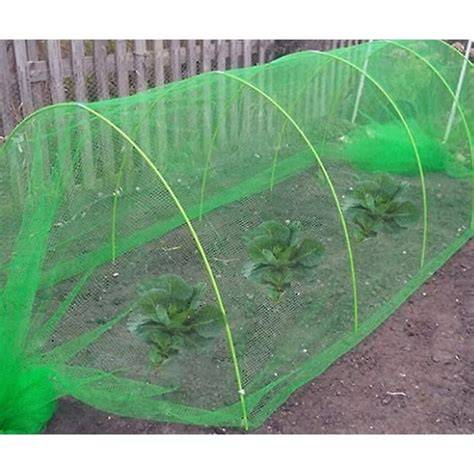
Fiberglass Window Screen is woven from PVC coated fiberglass yarn. It makes ideal material in industrial and agricultural buildings to keep away from mosquito and small insects or for the purpose of ventilation. Fiberglass y PVC proporcionan durabilidad y resistencia al desgaste.
Resumen de propiedades clave
- Resistencia al calor y al fuego
- Transmisión de luz moderada y visión clara
- Resistencia a la intemperie y a la humedad
- Fácil limpieza y larga vida de servicio